


Can You Have Diabetic Retinopathy Without Noticeable Symptoms?
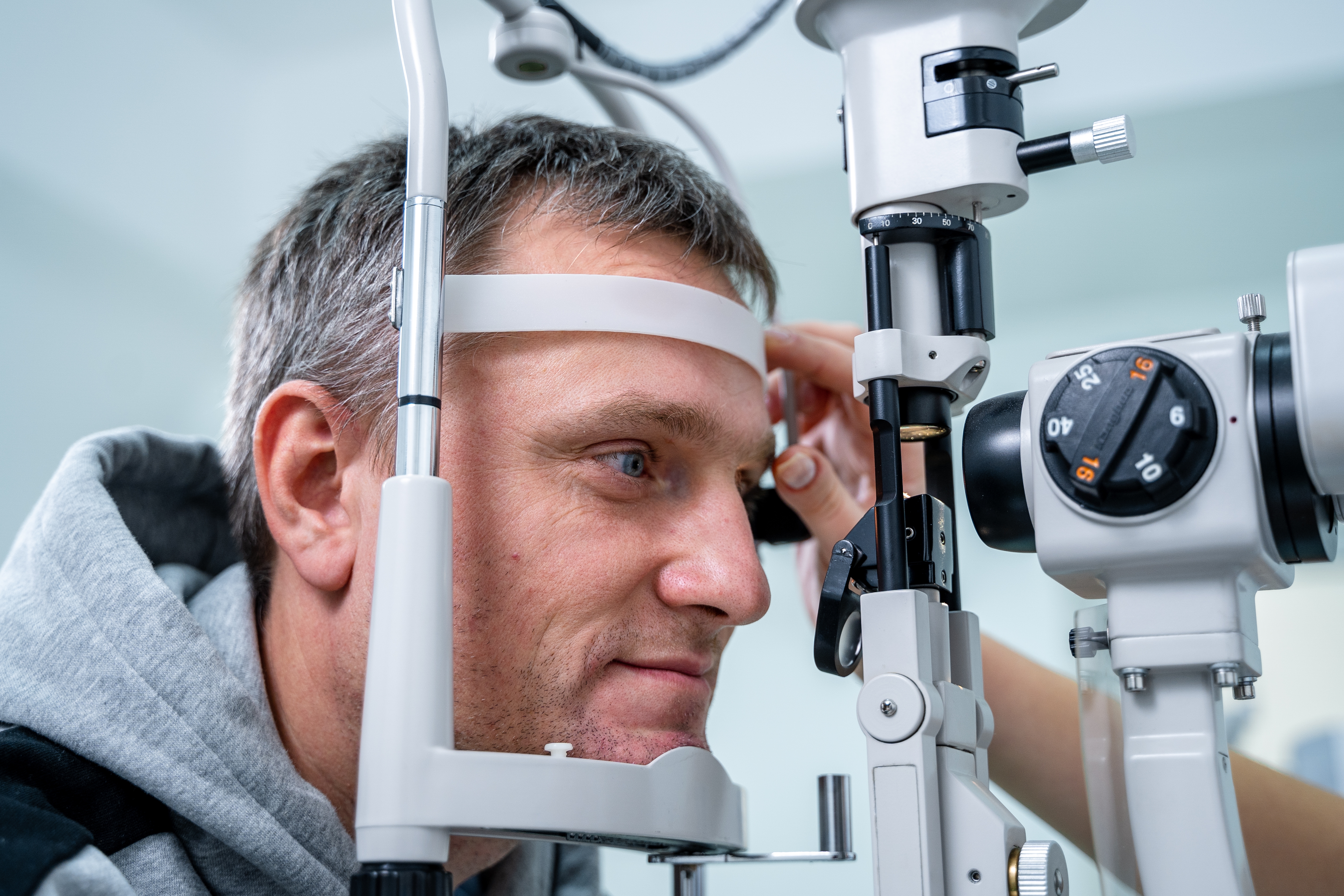
Did you know that diabetic retinopathy can develop without causing noticeable changes in your vision? Many people with diabetes assume their eyes are healthy because they can still see clearly. However, damage to the retina may begin long before symptoms appear. At Paradise Canyon Eye Care in St. George, UT, we emphasize the importance of regular diabetic eye exams to detect early changes and help protect your long-term vision.
Why Diabetic Retinopathy Can Develop Without Symptoms
Diabetic retinopathy occurs when elevated blood sugar levels damage the small blood vessels in the retina, the light-sensitive tissue at the back of the eye. Over time, these vessels may weaken, leak fluid, or become blocked.
During the early stages, these changes may not interfere with your vision. You might continue reading, driving, and performing daily activities without difficulty, even while damage is developing.
Because diabetic retinopathy often progresses gradually and without pain, many patients are unaware of the condition until it becomes more advanced. This makes routine retinal evaluations particularly important for individuals with diabetes in St. George.
What Symptoms May Appear as Diabetic Retinopathy Progresses?
Although early diabetic retinopathy symptoms are often absent, changes in vision may develop as the condition progresses. Common warning signs include:
• Blurred or fluctuating vision: Vision may become less clear or change throughout the day.
• Floaters: Dark spots, strings, or floating shapes may appear in your field of vision.
• Dark or missing areas: Certain portions of your vision may appear shadowed or obstructed.
• Difficulty seeing fine details: Reading or recognizing small objects may become more challenging.
• Changes in color vision: Colors may appear less vibrant or become harder to distinguish.
These symptoms can also indicate other eye conditions. If you experience sudden vision loss, numerous new floaters, or a dark curtain across your vision, seek immediate medical attention.
How Can Diabetic Eye Exams Detect Retinopathy Early?
At Paradise Canyon Eye Care, we provide comprehensive diabetic eye exams in St. George to identify retinal changes before they significantly affect vision. During an examination, Dr. Fife evaluates the health of your retina and its blood vessels. We use dilated eye examinations and retinal imaging to look for signs of damage, including leaking blood vessels, bleeding, and swelling. These evaluations also help us monitor changes over time and determine whether additional testing, closer observation, or specialized treatment is necessary.
How Often Should You Schedule a Diabetic Eye Exam?
Most people with diabetes should receive a comprehensive dilated eye examination at least once a year, although individual recommendations may vary. People diagnosed with type 2 diabetes should have an eye examination at diagnosis, while those with type 1 diabetes generally need their first screening within five years of diagnosis. If diabetic retinopathy is already present, we may recommend more frequent evaluations based on the severity of the condition.
Why Early Detection Matters for Your Vision
Identifying diabetic retinopathy before symptoms develop allows us to monitor changes and recommend appropriate care. Early-stage disease may require regular observation, while more advanced cases may need treatment from a retinal specialist.
If you have diabetes, don't wait for vision changes to schedule an eye examination. Contact Paradise Canyon Eye Care to receive a comprehensive diabetic eye exam and personalized recommendations for your eye health. Visit our office in St. George, UT, or call (435) 656-2003 to book an appointment today.


© 2026 Paradise Canyon Eye Care. All Rights Reserved. Accessibility Statement - Privacy Policy - Sitemap
Powered by: 