


St. George Fall Allergies vs. Chronic Dry Eye: Why Your Eyes Are Itchy
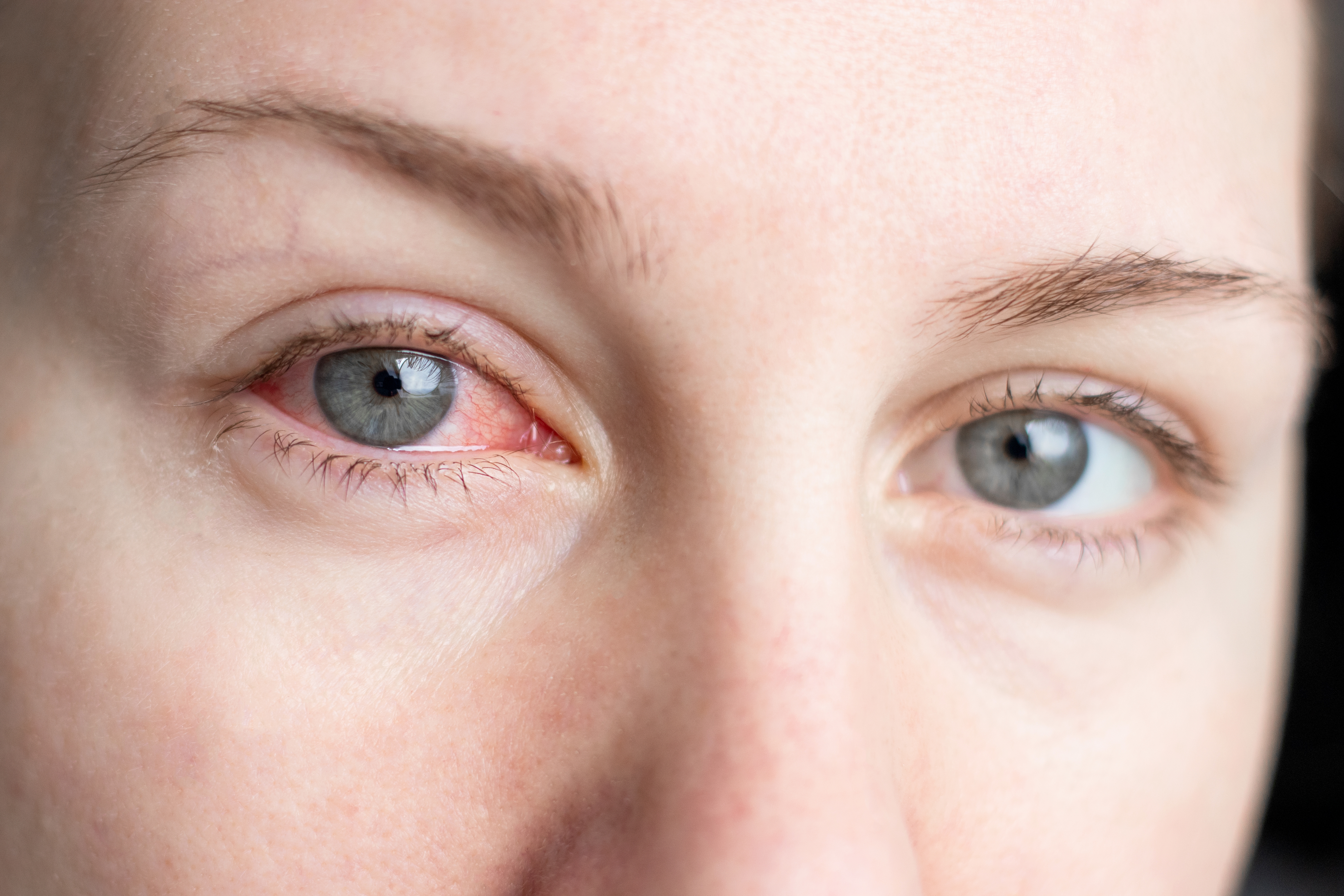
When fall arrives in St. George, itchy, red, or watery eyes can become difficult to ignore. Seasonal allergens may be responsible, but similar symptoms can also develop from chronic dry eye. In some cases, patients may even experience both conditions at the same time. At Paradise Canyon Eye Care, we evaluate dry eye and ocular allergies to help determine what is actually causing your discomfort and recommend care based on your specific eye health needs.
Why Fall Allergies Make Your Eyes Itch
Seasonal eye allergies develop when the immune system reacts to allergens in the environment. Pollen, dust, and smoke can all trigger symptoms, and fall pollination can make certain allergens more noticeable during this time of year.
Common signs of seasonal eye allergies include:
• Persistent itching
• Watery or teary eyes
• Redness
• Swollen or irritated eyelids
• Symptoms that become worse after outdoor exposure
Itching is often one of the biggest clues that allergies are contributing to your eye irritation. Windy conditions can also carry airborne allergens, which may make symptoms more noticeable for patients spending time outdoors in St. George.
How Chronic Dry Eye Can Feel Similar
Dry eye does not always mean your eyes simply feel dry. Chronic dry eye may cause burning, stinging, grittiness, recurring redness, excessive watering, blurry vision that temporarily improves after blinking, and contact lens discomfort.
St. George's dry desert climate can make these symptoms especially noticeable. Low humidity, heat, wind, and dry indoor environments can contribute to faster tear evaporation and an unstable tear film.
Many chronic dry eye cases are also associated with meibomian gland dysfunction. When the oil-producing glands along the eyelids are not functioning properly, tears may evaporate too quickly, leaving the eye's surface irritated even if your eyes seem unusually watery.
Can You Have Allergies and Dry Eye at the Same Time?
Yes. Seasonal allergies and dry eye can overlap, which is one reason symptoms are not always easy to identify on your own. Allergens can irritate the ocular surface, while an unstable tear film may make already-sensitive eyes feel even more uncomfortable.
Rather than assuming every itchy eye is caused by fall allergies, an eye evaluation can help us assess your tear quality, eyelid health, gland function, and other possible sources of irritation.
Finding the Right Eye Relief in St. George
Treatment depends on what is driving your symptoms. For seasonal allergies, reducing exposure to allergens, avoiding rubbing the eyes, wearing protective sunglasses outdoors, temporarily switching from contact lenses to glasses when needed, and using doctor-recommended eye drops may help.
For chronic dry eye, we may recommend treatment that addresses tear-film instability, inflammation, or meibomian gland dysfunction. We offer advanced options including Forma-I radiofrequency, Intense Pulsed Light, and Low Level Light Therapy when appropriate based on the cause and severity of dry eye symptoms.
If itchy, watery, red, or uncomfortable eyes are interfering with your fall activities, schedule an eye exam with Paradise Canyon Eye Care to learn more about personalized treatment options. Contact our office in St. George, Utah, by calling (435) 656-2003 to book an appointment today.


© 2026 Paradise Canyon Eye Care. All Rights Reserved. Accessibility Statement - Privacy Policy - Sitemap
Powered by: 